When I tell people I'm an end-of-life doula, there's often a small pause. Sometimes a blank look. Sometimes a softening around the eyes, from someone who has sat beside a hospital bed and knows exactly why the role exists.
Most of us understand birth doulas. Someone calm and practical who stays with a mother while a new life arrives. We accept, without much argument, that crossing into the world is too big a threshold to face alone.
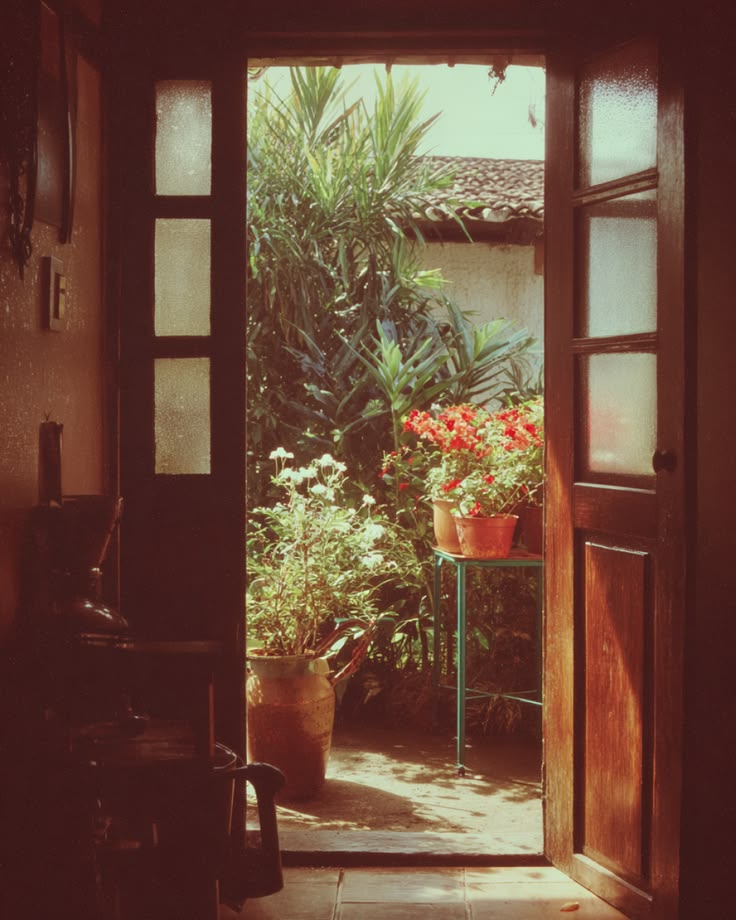
An end-of-life doula stands at the other doorway.
A very old role with a new name
The word may be new, but the role is not. For most of human history, death happened at home, held by a village. In medieval Europe there were small guidebooks called the Ars Moriendi, the art of dying, written so ordinary people could prepare for a good death. In Ireland, women keened for the dead. In Chile, where I was born, the velorio still gathers family and neighbours around the person who has died, with food, stories, tears and sometimes laughter, often through the night.
Somewhere in the last hundred years, much of that moved into hospitals and became a medical event. The medicine got better, which is a gift. But the village thinned out. Many people now meet death for the first time in their forties or fifties, at the bedside of a parent, with no idea what to expect and no one to ask.
A doula is, in a way, one person trying to stand where the village used to.
What it looks like in practice
I'm not medical. I don't give medication, adjust care plans or make clinical decisions. That belongs to doctors, nurses and palliative teams, and I work alongside them.
What I offer is everything around the edges, which is often where the real living and dying happens.
- Company for the person who is dying, whether that's conversation, reading aloud, music, or simply being in the room
- Space to talk about fears, regrets, hopes and wishes, without anyone rushing to reassure
- Help putting wishes into words, so the people they love aren't left guessing later
- Recording stories, writing letters and making keepsakes while there's still time
- Gentle, plain explanations of what the body does near the end, so it frightens less
- Rest for carers: a chance to sleep, shower, eat, or cry somewhere private
- Planning for the final days, and being present for them if wanted
- Returning afterwards, when the house goes quiet and the phone stops ringing
In my years in aged care, I watched how busy the end of life can be. The trolley in the corridor. The buzzer down the hall. Everyone kind, and everyone on their way somewhere else. A doula's gift is very simple and quite rare: unhurried time. Time that isn't attached to a task.
Why it matters to the soul, not just the body
Carl Jung, the Swiss psychiatrist, believed that the second half of life has a different purpose from the first. The first half is about building: a career, a family, a place in the world. The second half, he thought, turns inward, towards meaning, towards wholeness, and eventually towards death. He wrote that shrinking away from death robs the later years of their purpose.
I find that idea quietly radical. It suggests that dying isn't only something that happens to us at the very end. It's a passage we can prepare for, take part in, and even find meaning within.
People nearing death often do remarkable inner work. They review their lives. They reach for people they've been estranged from. They dream vividly. They say things they've waited decades to say. Sometimes they need someone to witness that, without flinching and without trying to fix it.
That's a large part of what I'm there for.
What families tell you afterwards
The people left behind remember the end in extraordinary detail. Who was in the room. What was said. Whether they felt prepared or ambushed. Whether it felt peaceful or chaotic.
Those memories become part of their grief for years. A death that was planned for, accompanied and honoured doesn't hurt less, but it often sits differently in the heart.
There is less of "I wish I had known" and more of "we were there, and we did it together."
The heart of it
If I had to put it in one line, it would be this.
A doula helps make sure that no one dies a stranger to their own death, and no one has to face it alone.
It isn't glamorous work. A lot of it is fixing pillows, making tea and listening to the same beloved story for the third time. But I've seen what one steady person can mean at the end of a life. I would like to be that person.
If you're wondering whether this kind of support might help you or someone you love, I'm always happy to talk. No pressure, just a conversation.
carolina x