End-of-Life,Remembrance andGrief Support
A soft place to land at life's hardest goodbyes. In Sydney and online.
why this matters
How we face death shapes how we live.
We spend our whole lives learning how to live, yet almost nobody teaches us how to end.
We learn to drive, to cook and to fill out a tax return, but no one shows us how to sit with someone who is dying, how to plan our own goodbye, or how to grieve the dog who slept on our feet for fourteen years. That part we're expected to figure out alone, usually at the worst possible moment.
So we push death to the edges. We hide it in hospitals, whisper around it at dinner and hope it skips us for a while longer. But what we refuse to look at doesn't disappear, it simply waits for us and grows heavier over time.
Soft Landing is a place to turn and face it, gently and together. You might be caring for someone near the end or quietly wondering about your own, holding a story you want to keep before it's lost, or carrying a grief that hasn't found anywhere to land. Whatever brought you here, pull up a chair.
the role
What is an end-of-life doula?
the word doula comes from the greek — "person of service"
Most people know a birth doula supports someone as life begins. An end-of-life doula offers the same kind of support as life comes to a close.
A doula is a trained, non-medical companion for the person who is dying and for the people who love them. We don't replace doctors, nurses, palliative care or chaplains. They provide skilled, specialised care, and they are often stretched for time.
What a doula adds is time without pressure. Time to sit, to listen, to talk about what matters, or simply to be there. We arrive without an agenda and follow your lead. And because we stay with you from planning through to the days after a death, we offer something families often miss: one steady, familiar person through it all.
- Talk through fears, wishes and what matters most
- Plan ahead, so the people you love aren't left guessing
- Understand what to expect as the body changes
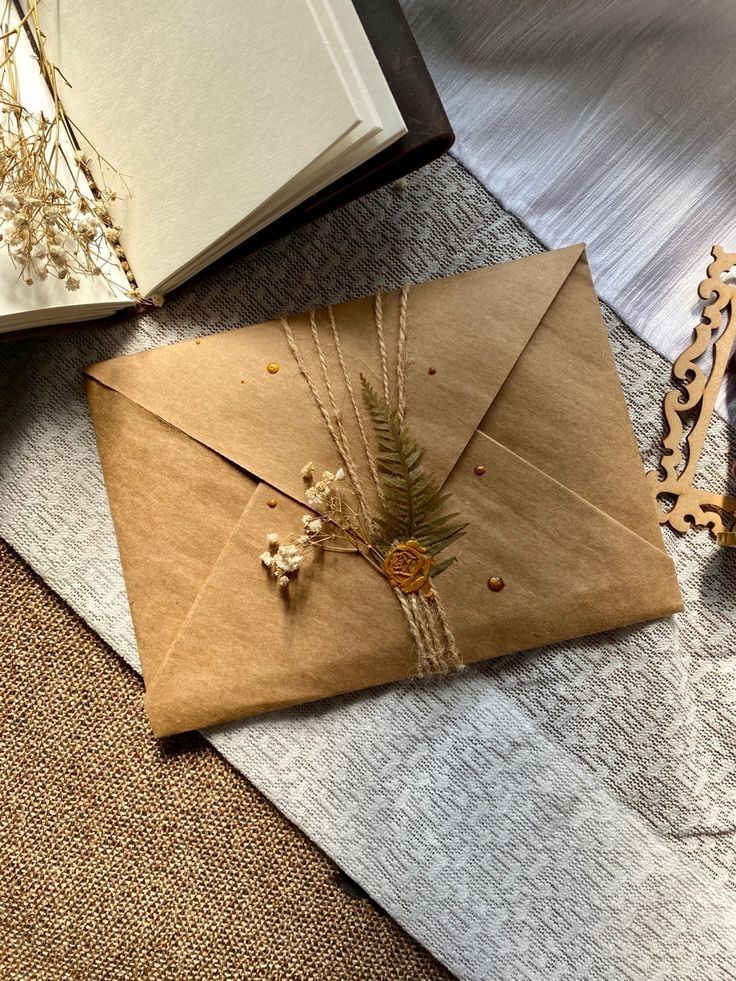
- Record stories, write letters or create something to leave behind
- Give family and carers a chance to rest
- Keep company in the final days, so no one is alone
- Find support in the weeks and months after
A good doula fills real gaps, never invented ones. If what you need is better met by someone else, I'll tell you, and help you find them.
no wrong reason
You might be here because
01You or someone you love is living with a serious or life-limiting illness
02You're caring for a family member and unsure of what comes next
03You'd like to plan ahead and share your wishes with the people closest to you
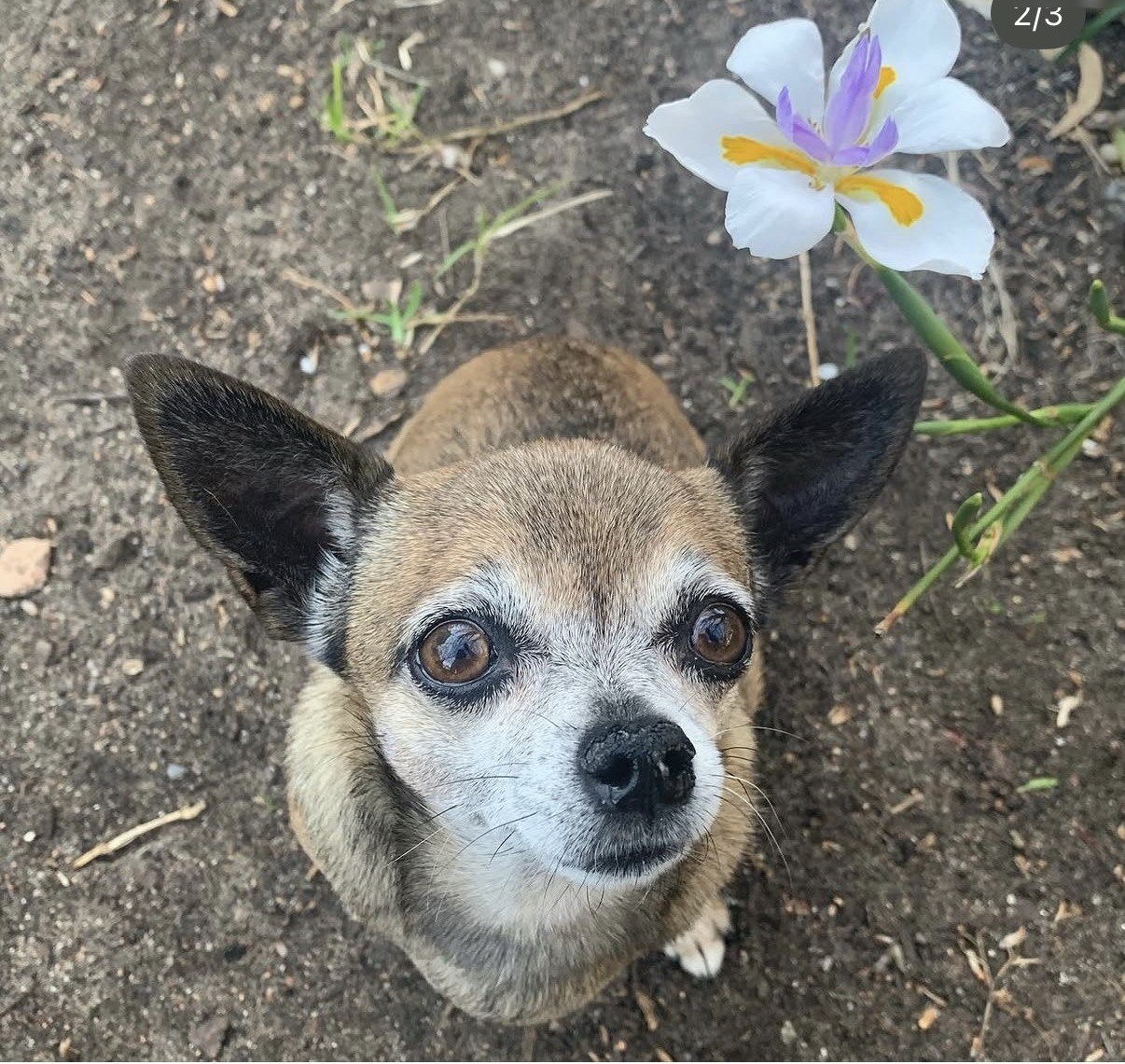
04Your animal is ageing or unwell, and a goodbye is approaching
05You're grieving and looking for support beyond the first few weeks
wherever you find yourself, support is here
four doorways
How I can help

life and death, hand in hand
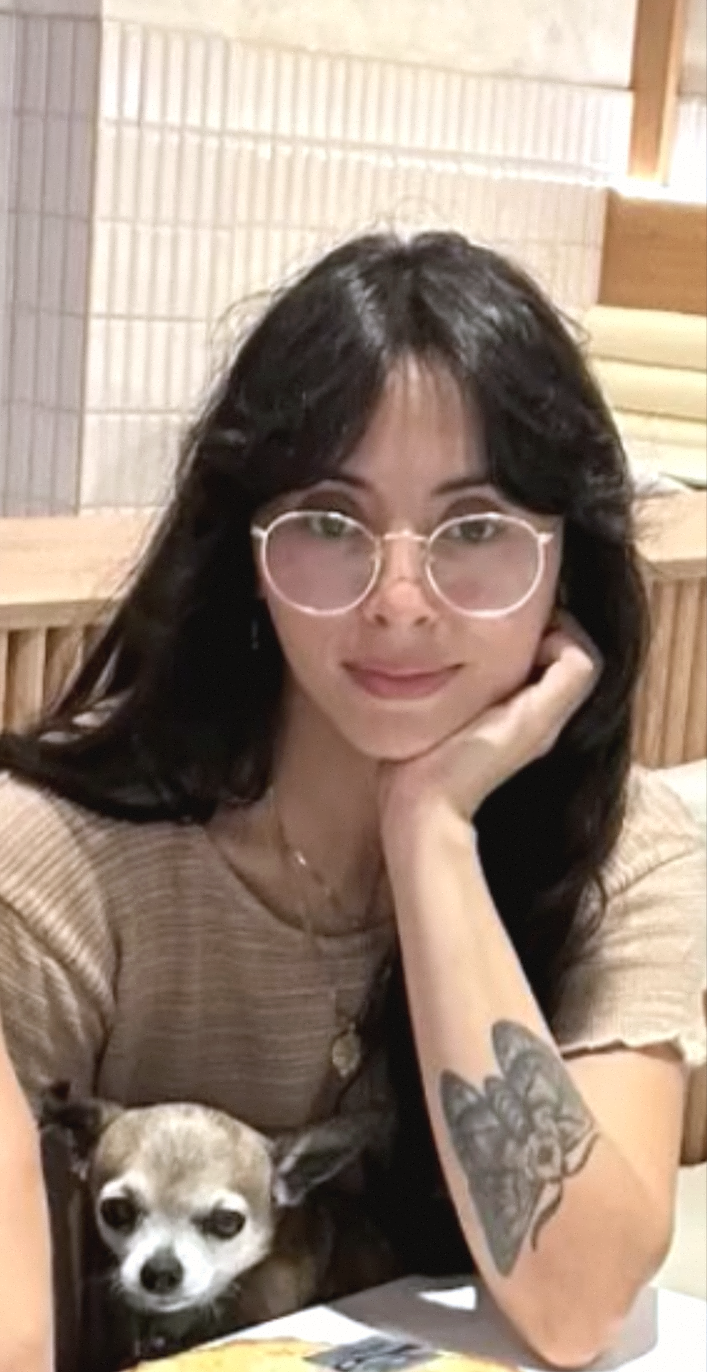
hi, i'm carolina
Most people meet death for the first time in a crisis.
Most people meet death for the first time in a crisis. I met it while caring for older people, and I've stayed close to it ever since. That's where I learned how little the end of a life really asks for: a warm hand, a quiet voice, and someone who isn't afraid to stay in the room.
Since then I've spent more than ten years in disability and mental health services. I've studied how loss moves through the mind, the body and the spirit, and how creativity can speak when words run out. Today I work as an End-of-Life Doula.
The strange gift of this work is that being close to death has made me feel more alive. Leaves fall, and our own cells quietly end and begin again every day. When we stop pretending we're the exception, something softens, and we start to love more openly and waste less of our time.
my approach
There's no single right way to grieve
Grief is often met with well-meaning advice to let go, move on or find closure. In my experience, grief doesn't work that way. Some things soften with time, some change shape, and some stay with us. None of these mean you are doing it wrong.
My work is guided by your beliefs and needs, not mine. Whether we're planning ahead, sitting at a bedside or creating something in memory of someone you love, I offer warmth, steadiness and respect.
"Some things soften with time, some change shape, and some stay with us."
post, occasionally
Letters from Soft Landing
Occasional reflections, resources and updates on living well, loving deeply and honouring life's goodbyes.
i'll only write when i have something worth sharing
Not sure where to begin?
Book a free 20-minute conversation. There's no pressure, and you don't need to have the right questions.
Soft Landing isn't a crisis service. If you're struggling, call Lifeline on 13 11 14 (24 hours), Griefline on 1300 845 745, or 000 in an emergency.

with warmth, carolina x